How Long Does It Take to Build a Chatbot? Honest Timelines for 2026
 Melissa AshfordCOO
How long does it take to build a chatbot? A scripted FAQ bot on an existing platform takes one to three weeks. An AI assistant that answers from your own documents takes four to eight weeks to reach real customers. An agent that acts inside your systems, booking the slot or issuing the refund rather than just explaining the policy, takes three to six months, and most of that second half disappears into edge cases nobody scoped at the start.
Those are the ranges we quote on a first call. What follows is what sits behind them, so you can work out which one is yours before the budget is committed.
Three kinds of chatbot, three very different calendars
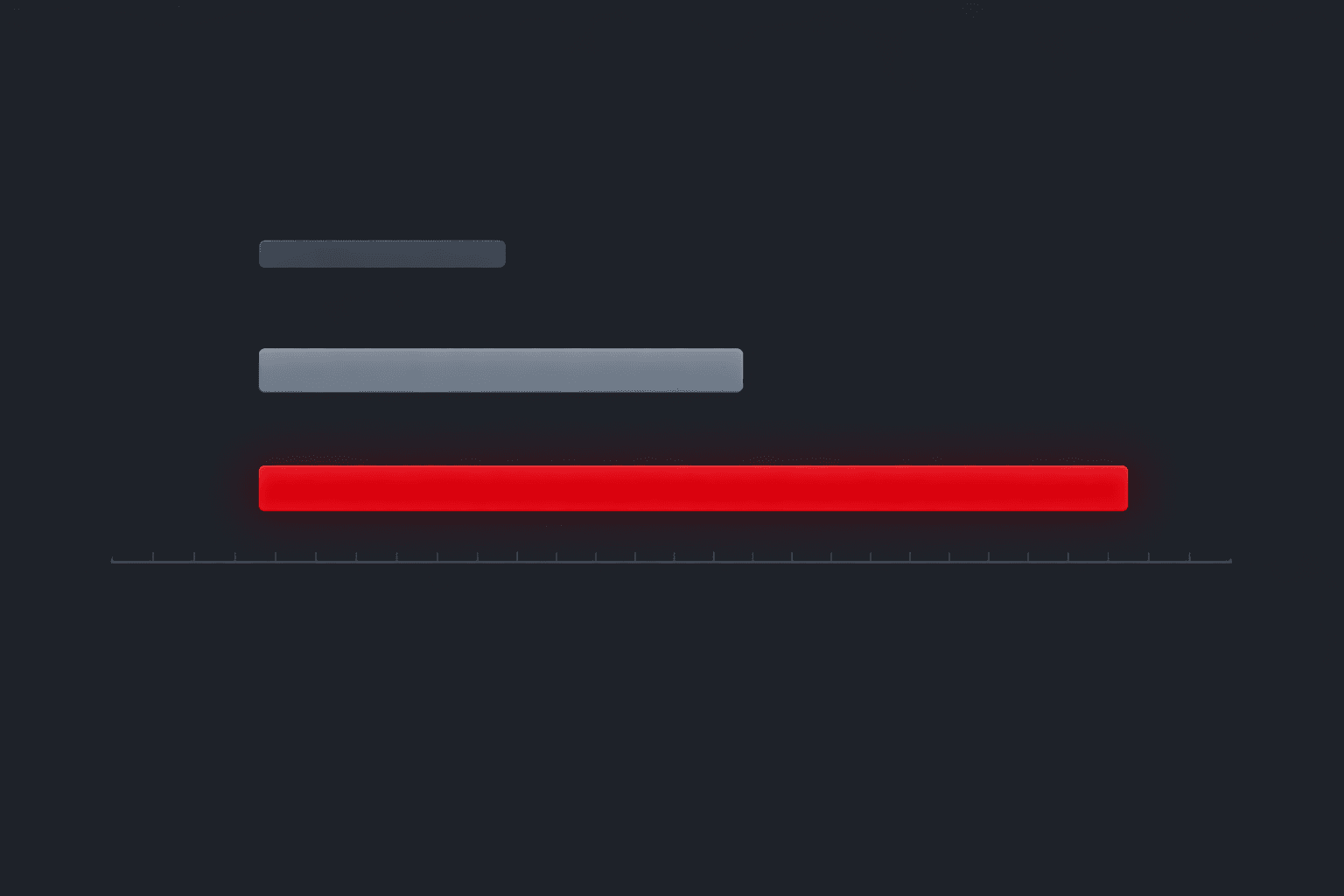
The biggest driver of timeline is not the model you pick. It is how much of your business the bot is allowed to touch.
Scripted or decision-tree bot: 1-3 weeks
Fixed paths, buttons, a handful of intents. You build it on a platform, hook it to one channel, and it never says anything you did not write yourself. If the content is ready, a small team ships this inside a sprint.
It also stops being useful the moment a customer phrases the question in a way you did not anticipate. Fine for order status and opening hours. Not fine as your only support layer.
Retrieval assistant over your own content: 4-8 weeks
This is what most companies actually mean in 2026: a bot that reads your help centre and your policy documents, then answers in natural language with a citation you can click. No fine-tuning. No waiting on a data science hire.
Four weeks is achievable when the content already lives in one place and one person can approve answers. Eight is normal when the knowledge is scattered across a wiki, a shared drive and two people's heads, which is the far more common starting position.
Action-taking agent: 3-6 months
Now the bot writes to systems instead of only reading from them. It reschedules the appointment, applies the discount, opens the ticket.
The build itself is not much harder than the retrieval assistant, but everything around it is: permissions, an audit trail, a rollback story, and an answer to what happens when the integration is down at 2am and a customer is mid-refund. Plan for a security sign-off and a longer pilot.
What actually eats the calendar
When a chatbot project runs late, it is almost never the modelling.
Content, not code. The assistant is only as good as the material it reads, and teams routinely discover that their own documentation contradicts itself or still answers for a 2023 version of the product. Cleaning that up is a real workstream, and it belongs to your side rather than the vendor's. Budget one to two weeks for it and it stops being a surprise.
Integrations you do not control. A read-only API you already have is a day of work. A legacy CRM where sandbox access goes through a ticket queue is three weeks of waiting, and no amount of engineering shortens that. File the access requests in week one, before anyone writes code.
Approval loops. In healthcare, finance or insurance, someone has to sign off on what the bot is allowed to say, and those review cycles are measured in weeks. Get that person named on day one.
Evaluation. You cannot ship what you cannot measure. Somebody has to write down a hundred real questions with their correct answers and grade the bot against them after every change. Skipping this feels fast for a fortnight and expensive for the six months after.
A realistic eight-week plan for a retrieval assistant
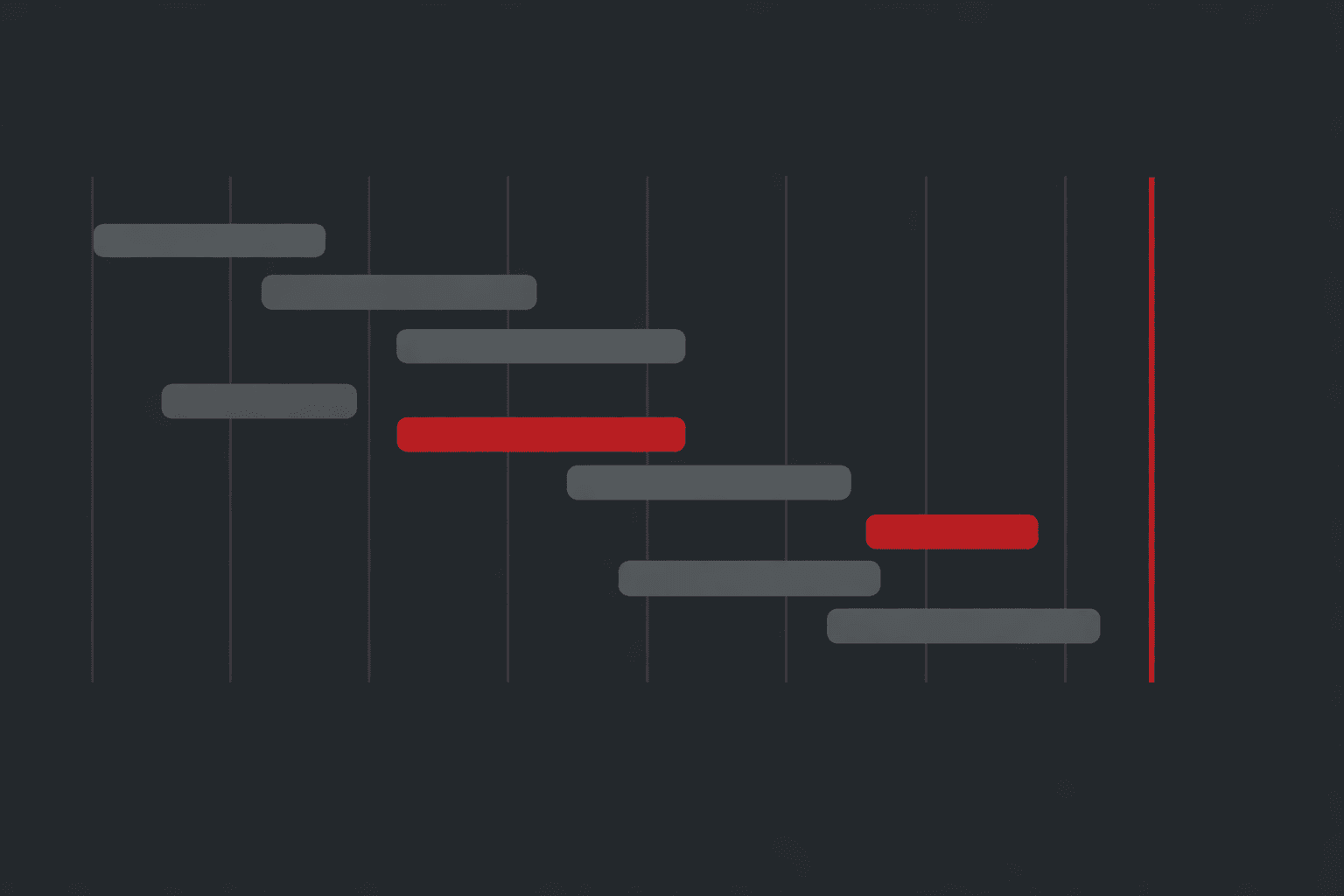
Roughly the shape we run. It assumes two engineers and one person on the client side who genuinely owns the content.
Week 1. Scope, plus the top forty questions pulled from real support tickets rather than from a brainstorm. Access requests filed for every system involved.
Week 2. Content audit and cleanup — whatever contradicts itself gets fixed now.
Weeks 3-4. First working version, internal only: retrieval, citations, a handoff button, and a log of every question anyone asks it.
Week 5. The evaluation set gets built and the bot is graded against it. This is the week you find out how good the answers really are, and it is usually humbling.
Week 6. Escalation to a human is wired properly, transcript included. Tone and refusals are tuned.
Week 7. Pilot on five to ten percent of live traffic, with every failure read by a person that same week.
Week 8. Widen the traffic, hand over the dashboards, agree who owns the content from here.
If your content was already tidy, weeks 2 and 5 compress and you land in six. If access to one system slips, everything after week 3 slides with it.
What makes it faster
One channel. One language. A knowledge base that already exists in a single system, and a single named approver who can say yes without convening a committee.
Above all, a narrow first release: twenty common questions answered properly beats five hundred answered badly. That is the decision people resist most and the one that pays, because it puts a working assistant in front of customers a month earlier, and questions from real users are worth more than another planning workshop.
What makes it slower
Multiple languages from day one. Personal or clinical data, which pulls in legal review and a stricter retention design. A legacy system with no API.
And the quiet killer: nobody owning it on the client side, so approvals arrive in batches every second week and the team ships in fits.
From our own work
We built our own AI health assistant, and the time went into assembling the medical knowledge and shaping how a person actually asks the question. Real users do not type structured queries. They type "how long do doctors keep medical records" and expect something useful back.
That is why we push clients toward the evaluation set early. Once a hundred graded questions are sitting in front of everyone, the argument about whether the bot is "good enough" turns into a number, and the release date stops moving.
The full process is written up in our chatbot development life cycle guide, and the practical build decisions in AI chatbot development: how to ship a bot people actually use. If you are pricing the wider project rather than the timeline alone, our breakdown of what it costs to build an app in 2026 runs on the same cost drivers.
So how long will yours take?
Three questions give you the number. Does the bot only read, or does it also act? Is your content in one place or five? Who signs off on what it is allowed to say?
Read-only, tidy content, one approver: four to six weeks. Add actions inside your systems and you should assume three months before it touches a real customer, longer if the data is regulated.
If you want a straight answer for your own case instead of a range, tell us what you are building. You will get back a scoped timeline, the integrations that worry us, and what we would cut from release one to get you live sooner.
Timing is one half of the question. The other is the bill: what an AI build costs to make, and what it costs to run every month afterwards. We worked that through in AI software development cost.
Timelines are easier to trust when the starting point is measured. If the chatbot lands on a site you already run, here is a free read of it: audit.lomray.com.